The Announcement and Community Response
Dead Boys announced Cheetah Chrome’s death via their official social media channels. In a poignant statement, the band wrote, “We are incredibly sad to announce the news of the passing of our beloved friend and bandmate Cheetah Chrome. Cheetah was a true original, an architect of the punk rock movement. A one-man hurricane tearing up the musical landscape with his feral guitar riffs and manic energy.” The announcement continued, expressing their condolences to Chrome’s family, friends, and fans and underscoring his joyful spirit and enduring legacy: “His music lives on and will continue to inspire others for generations to come.”
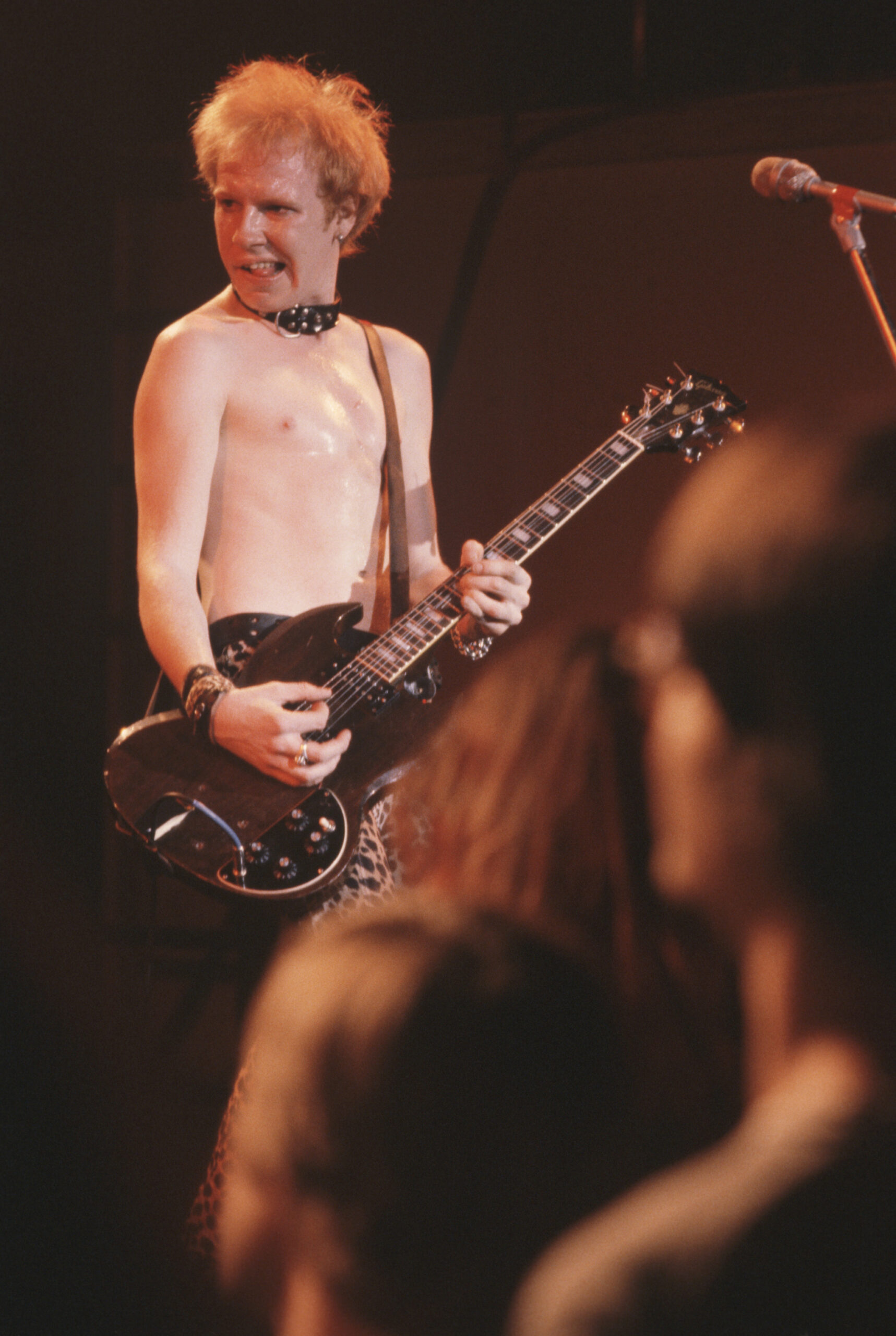
Early Life in Cleveland, Ohio
Born Eugene Richard O’Connor on February 18, 1955, in Cleveland, Ohio, the man who would become “Cheetah Chrome” showed an early fascination with music. Growing up in the heart of America’s industrial Midwest, Chrome was immersed in the city’s gritty rock scene during a time of tremendous cultural change. He began playing guitar in his teens, drawing inspiration from the hard-hitting approach of artists like The Stooges and The Velvet Underground.
Chrome’s passion for pushing musical boundaries led him to join the Cleveland-based art-punk band Rocket From The Tombs in 1974. This group, which also featured other seminal punk figures such as David Thomas and Peter Laughner, experimented with the fusion of garage rock, glam, and the burgeoning energy of punk. Although Rocket From The Tombs was short-lived, their fierce creativity laid groundwork for the next chapter in U.S. punk history.
The Birth of Dead Boys
In 1975, Rocket From The Tombs disbanded, but from its ashes two legendary groups emerged: Pere Ubu and Dead Boys. Chrome, along with vocalist Stiv Bators, guitarist Jimmy Zero, bassist Jeff Magnum, and drummer Johnny Blitz, founded the Dead Boys—a band that would soon become synonymous with the raw, confrontational edge of American punk.
Adopting a brash, rebellious aesthetic, the Dead Boys quickly gained a reputation for their raucous performances and nihilistic lyrics. Their adoption of the “Young, Loud and Snotty” mantra captured the mood of a generation disillusioned with mainstream rock. In 1976, with encouragement from punk luminary Joey Ramone, the band relocated to New York City, placing themselves right at the heart of the punk explosion at venues such as CBGB in the East Village.
Making History at CBGB
New York City in the mid-1970s was a crucible for punk music, with venues like CBGB drawing innovators from across the country. Chrome and the Dead Boys quickly became stalwarts of this scene, sharing stages with bands including The Ramones, Television, Blondie, and Richard Hell and the Voidoids. Their sound, characterized by Chrome’s abrasive guitar riffs, volatile performance style, and Bators’ sneering vocals, was confrontational and raw, setting new standards for punk rock authenticity.
Reflecting on those formative years, Chrome said in a 2023 interview with Classic Rock, “We realized that there were a lot of people like us out there. Why it didn’t occur to us earlier, to just jump in the damn van and get a gig out of town… we weren’t rocket scientists, we were the Dead Boys.” Such self-deprecating humor underscored the band’s organic and unpolished ethos.